From Jerk to Plantains: Caribbean Food Denver Guide
Denver is not the first American city people name when they talk about Caribbean cooking. New York gets that attention. South Florida does too. Even cities with smaller populations but long-established island communities often have a stronger reputation. Still, if you spend enough time eating around the metro area, a different picture comes into focus. Caribbean food in Denver is not a gimmick cuisine or a single-note takeout category. It is a small but worthwhile scene, built by chefs, family-run kitchens, food trucks, and hybrid spots that adapt island traditions to Colorado realities without losing their backbone.
That distinction matters. The best Caribbean cooking depends on balance more than spectacle. Heat, sweetness, smoke, citrus, allspice, thyme, coconut, Scotch bonnet, ginger, garlic, and slow time over flame or in braising liquid. These foods can look casual on the plate, but they are rarely simple in technique or memory. A properly cooked jerk chicken tells you as much about fire management and seasoning discipline as any expensive tasting menu dish. A plate of stewed oxtail with rice and peas can be humble and exacting at once. Fried plantains seem straightforward until you taste the difference between fruit pulled at the right stage of ripeness and fruit rushed into service.
If you are searching for Caribbean food Denver options, the smartest approach is not to chase one perfect restaurant as if the whole region can be reduced to a single address. The Caribbean is broad. Jamaican food is not Trinidadian food. Cuban food is not Haitian food. Puerto Rican cooking shares ingredients with its neighbors but moves differently on the palate. Even within one island, what appears on a plate can shift by parish, household, migration pattern, and whether a cook learned from a grandmother, a restaurant line, or both.
What “Caribbean food” actually covers
The label sounds tidy until you sit down and try to define it. Caribbean cuisine is really a web of cuisines shaped by African, Indigenous, Spanish, French, British, Dutch, Indian, Chinese, and Middle Eastern influences, plus the realities of plantation economies, migration, trade, and resourcefulness. That is why one menu might lean on jerk, patties, and callaloo, while another focuses on mofongo, pernil, tostones, or roti.
In Denver, that variety can be both a strength and a source of confusion. Diners often arrive expecting one universal flavor profile, usually a vague idea of “spicy tropical food.” Then they order a Puerto Rican plate expecting Jamaican jerk levels of smoke and chile, or they taste Trinidadian doubles and wonder why the flavors are softer and more layered than hot. Good Caribbean cooking rewards a more attentive palate than that.
Jamaican food remains the style many Denver diners encounter first, and for understandable reasons. Jerk seasoning has name recognition, patties travel well, and braised meats hold up in restaurant service and takeout. But the larger family of Caribbean food deserves more than a quick shorthand. If a menu includes fried sweet plantains beside curry goat, escovitch fish, peas and rice, or a flaky beef patty with a bright orange crust, the meal is part of a wider culinary conversation than most menus bother to explain.
Why Denver’s version looks the way it does
Altitude changes cooking. So does supply. So does customer expectation. Those three forces shape Caribbean food in Denver more than most casual diners realize.
At elevation, moisture behaves differently, frying can need small adjustments, and braises sometimes take patience beyond what a flatland recipe suggests. Denver restaurants also work within what local distributors can reliably deliver. Scotch bonnet peppers may be available, then inconsistent. Certain cuts of meat fluctuate in price. Green bananas, cassava, breadfruit, and specialty seasonings show up depending on season, vendor relationships, and demand. A kitchen that wants to serve island food faithfully often has to be flexible without becoming generic.
Then there is the issue of the audience. Many diners in Denver are adventurous, but “adventurous” sometimes means they want bold flavor as long as it remains legible. Owners know that if they underseason, they disappoint Caribbean customers and anyone with serious food experience. If they oversimplify the menu to chase broad appeal, the soul drains out of the cooking. The best spots solve this by being confident rather than performative. They season assertively, explain dishes plainly, and let the food teach people what it is.
I have seen this play out in small ways at family-owned restaurants across many cities. A server asks whether you have had sorrel before, or whether you want the mild version of a sauce. That is not compromise. That is hospitality. Caribbean food has always carried adaptation within it. Migration cooks know how to protect the center of a dish while adjusting around the edges.
The dishes worth understanding before you order
A little context goes a long way. If you know what a dish is trying to be, you are less likely to misread it.
Jerk is probably the most misunderstood. Real jerk is not just “spicy grilled chicken.” It is a seasoning method rooted in preservation, smoke, and a specific spice structure. Allspice and thyme are crucial. Scotch bonnet gives fruitiness as much as heat. The best versions taste alive, with char on the outside and deep seasoning beneath the skin or in the meat. If a restaurant offers jerk and it tastes like sweet barbecue with cayenne, that is not the benchmark you should accept.
Rice and peas, another common menu item, is also frequently misunderstood by newcomers. In much of the English-speaking Caribbean, “peas” often means beans, especially red kidney beans or gungo peas, simmered with rice in coconut milk and aromatics. It is not a side you ignore while focusing on the protein. In a strong kitchen, the rice carries its own perfume and structure.
Plantains are one of the clearest indicators of care. Sweet fried plantains should be caramelized at the edges, tender inside, and distinctly ripe, with a sweetness that rounds out salty or spicy mains. Tostones, by contrast, use green plantains, smashed and fried for a starchy, savory crunch. If a place serves both, you can often tell from the first bite whether the kitchen respects texture.
Curry goat needs time. Oxtail needs even more. Neither should taste rushed. Goat can turn gamey if the spice blend and braise are off balance. Oxtail should come glossy and rich, not greasy and murky. The sauce should cling to rice without sitting on top of it like an afterthought.
Patties belong in the same conversation, though people sometimes dismiss them as snacks. A good patty is architecture. The crust should shatter lightly without going dry, the filling should be moist but not loose, and the spice level should support the meat rather than overwhelm it.
How to judge a Caribbean restaurant in Denver
The room itself tells you things before the food arrives. You can learn a lot from the smell when you walk in. Jerk smoke, warm spices, frying oil that smells fresh rather than tired, onions and thyme in the air, those cues matter. You can also read the menu for confidence. A restaurant that does not overexplain every item usually knows exactly what it is serving. A menu bloated with unnecessary fusion language often signals the opposite.
Watch the sides. Too many diners focus on the headline protein, but the sides reveal discipline. Cabbage should not be an anonymous steamed obligation. Macaroni pie or baked mac should have structure and seasoning. Beans should taste like they met real aromatics. Slaw, when present, should refresh the caribbean food denver Reggae Pot Jamaican Grill plate instead of drowning it in sugar.
Portion size can be deceptive too. Caribbean plates are often generous, but quantity alone proves nothing. One of the easiest ways to spot a weak operation is a mountain of rice supporting a small portion of underseasoned meat. A better kitchen does not need to hide behind volume.
Here is a short checklist I use when trying a new spot:
- Order at least one braised dish and one item from the grill or fryer.
- Pay attention to the rice, not just the protein.
- Ask what is made in-house, especially sauces and patties.
- If plantains are available, try them.
- Notice whether spice tastes layered or simply hot.
That approach works in Denver because many Caribbean restaurants here wear several hats at once. They may be serving their community, educating new customers, and managing takeout-heavy traffic from neighborhoods that are not close to traditional Caribbean population centers. A broad order gives you a fairer read than one signature item alone.
The dishes Denver does especially well
Because the scene is still developing, some categories travel better than others. Jerk chicken tends to show up more consistently than whole fish, for obvious reasons of sourcing, cost, and service speed. Oxtail, curry goat, patties, and rice-based plates also tend to fare well in Denver because they suit both dine-in and takeout. Food truck operators, in particular, often excel at items that can handle transport without losing character.
This is where practical judgment matters. If you are craving delicate fried snapper eaten minutes after it leaves the oil, a landlocked city with uneven seafood logistics may not always give you the transcendent version you remember from the coast or the islands. That does not mean you should skip fish entirely, only that you should calibrate expectations and ask what is freshest or most popular.
By contrast, Denver can be a very good city for deeply seasoned meats, hearty sides, and dishes built around long marinades or long cooking. The climate and lifestyle also make warming braises and stews feel right much of the year. A steaming container of curry goat in January hits differently here than it does in humid weather, but not in a bad way. The food gains a new kind of relevance.
What to order if you are new to Caribbean food
For first-timers, the best move is not necessarily the safest. It is the most representative. If the kitchen has a strong reputation for jerk chicken, start there, but add one side that stretches you a little. Pair it with rice and peas and sweet plantains instead of plain fries. If you see beef patties by the register, treat that as a separate course rather than an afterthought in the car.
If you are comfortable with richer cuts, oxtail is often the dish that wins people over. It delivers immediate pleasure: tender meat, concentrated gravy, collagen-rich depth, and enough intensity to justify the price. Goat can be even better, though it is slightly more variable from one restaurant to another.
For a mixed group, these are usually the easiest crowd-pleasers:
- jerk chicken
- curry goat
- beef or chicken patties
- rice and peas
- sweet fried plantains
That combination gives you smoke, braise, pastry, starch, and sweetness, which is a fair introduction to the category without pretending one meal can cover the entire Caribbean.
The role of heat, and why people often get it wrong
A lot of American diners talk about Caribbean food as if the defining question is how spicy it is. That narrows the cuisine too much. Heat matters, but heat is rarely the sole point. Scotch bonnet peppers bring fruit, aroma, and brightness. A good jerk marinade does not merely burn. It blooms. A pepper sauce should sharpen a bite, not erase everything that came before it.
Denver restaurants have to navigate this carefully because spice tolerance varies wildly. One customer’s perfect medium is another customer’s regrettable mistake. The better places handle this with nuance. They build flavor into the base dish, then offer extra heat on the side when appropriate. That strategy protects the integrity of the food while respecting the table.
If you love spice, ask questions rather than making assumptions. “What is naturally spicy?” will get you further than “What is your hottest item?” Kitchens that take pride in their seasoning usually appreciate diners who want the food as intended.
Where authenticity helps, and where the word gets sloppy
“Authentic” is one of those food words that starts arguments faster than it clarifies anything. In the Denver restaurant landscape, it is useful only up to a point. If the word means food made with cultural knowledge, recognizable technique, and genuine respect for tradition, fine. If it means frozen in time, suspicious of adaptation, or somehow more real because it avoids all evolution, then it becomes lazy.
A Jamaican cook using local produce in Colorado is not betraying the cuisine. A Puerto Rican chef adjusting a menu to what can be sourced week after week is not making the food less meaningful. The better question is whether the dish still tastes grounded, coherent, and culturally literate.
You can usually tell. Food made from memory and practice has internal logic. The seasoning makes sense. The textures line up. The sides belong together. Even a modernized plate feels rooted. Food built from trend-chasing often feels louder and emptier.
Takeout versus dining in
Caribbean food can be excellent as takeout, but not every dish travels equally well. This matters in Denver, where people often drive a bit farther for a specialty restaurant and weather can complicate timing.
Jerk chicken, braised meats, patties, rice dishes, and plantains generally handle the trip better than anything that depends on crisp skin or immediate steam release. Fried items can soften. Sauces can slosh. Tostones can lose their edge if sealed too hot for too long. If you are ordering from a place across town, lean into dishes that benefit from a little resting time rather than suffer from it.
Dining in, when possible, gives you a better sense of a restaurant’s strengths. You catch the aroma, the temperature, the rhythm of service, and the way condiments are meant to land on the table. Some foods announce themselves more clearly in the room than in a container.
Beyond the plate: drinks, desserts, and small signals of care
One of the easiest ways to tell whether a Caribbean spot is operating with conviction is to look past the entrées. Is there sorrel during the holidays or year-round in some form? Is there ginger beer that tastes like actual ginger rather than soda syrup? Are there house-made sauces? Is there rum cake, coconut tart, bread pudding, or another dessert with personality?
These details do not need to be elaborate. They need to feel intentional. A strong beverage program in a small Caribbean restaurant often means the owners are thinking about the meal as an ecosystem, not just a string of bestselling mains. Even a modest dessert case can say a lot about the cultural life of the kitchen.
I have often found that the places with the best main dishes also take obvious care with little things most customers overlook. The hot sauce bottle is not sticky. The counter pastry looks fresh enough that staff are willing to recommend it. The slaw is crisp. The steam table is monitored, not abandoned. None of this sounds glamorous, but restaurant experience teaches you that quality usually leaks into the details before it reaches the headlines.
Finding the right fit in Denver
Because the Caribbean scene here is still selective rather than sprawling, your best restaurant may depend on what kind of eater you are. Some diners want a quick lunch plate, fast, filling, and boldly seasoned. Others want a slower meal with a wider menu and room to ask questions. Some prioritize traditional Jamaican staples. Others are happier at a Latin-Caribbean spot where Puerto Rican or Cuban influences shape the experience.
That is why searching for “caribbean food denver” can be useful, but only if you read menus with care. Look at the names of dishes, the range of sides, whether the restaurant seems focused or scattered, and how customers describe the seasoning rather than only the portion sizes. Photos can mislead. Reviews that mention smoke, tenderness, balance, and repeat visits tend to be more helpful than generic praise about “tons of food.”
If you are serious about exploring, return to the same place more than once. Many cuisines reveal themselves better on a second or third visit, once you stop ordering what sounds familiar and start ordering what the kitchen really wants to feed you. Try the weekday special. Ask about soups. Notice what sells out. Restaurants built on community loyalty often tell the truth through those patterns.
The pleasure of eating across traditions
Part of the joy of Caribbean food in Denver is that it asks diners to move beyond simple food categories. This is not just comfort food, though it can be comforting. It is not just spicy food, though it can be hot. It is not merely “ethnic food,” a phrase too blunt to be useful. Caribbean cooking is historical cooking, migration cooking, survival cooking, celebration cooking. It is often festive in flavor and practical in construction, which is a combination I admire.
That mix comes through clearly when a meal is done right. The sweet plantains soften the salt and smoke of jerk. The rice absorbs gravy from oxtail. The cabbage cuts richness. The pepper sauce wakes everything up. A flaky patty gives way to a filling that feels both portable and complete. There is generosity in these plates, but also structure. Nothing is random.
Denver may never have the sheer Caribbean dining density of larger coastal cities, and that is fine. What it does have is a set of restaurants and cooks worth seeking out, especially if you are willing to eat with attention. The city’s best Caribbean food is not trying to imitate someone else’s scene. It is building its own, one plate of jerk, curry, rice, and plantains at a time.
Reggae Pot Jamaican Grill
2243 S Monaco St Pkwy, Suite 104
Denver, CO 80222
(720) 410-2956
FAQ About caribbean food denver
What is a typical Caribbean meal?
Caribbean cuisines vary by island. A Jamaican meal might pair jerk chicken or oxtail with sides such as rice and peas, cabbage, or fried plantains.
What is Jamaica’s national dish?
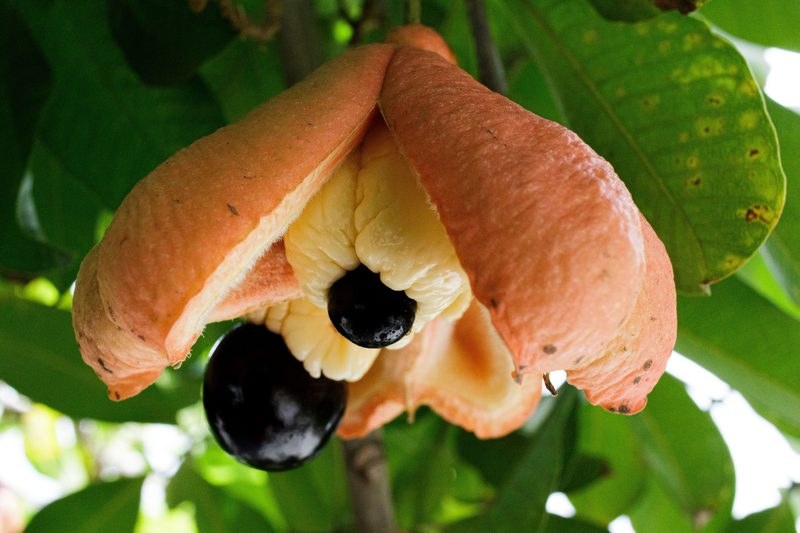
Ackee and saltfish is widely recognized as Jamaica’s national dish. Check the current menu for availability.
Is Caribbean jerk the same as Jamaican jerk?
Jerk is a Jamaican cooking tradition associated with seasoning and slow cooking or grilling. The exact heat level and preparation vary by cook.