Jamaican Food in Denver: Top Restaurants for Real Island Flavor
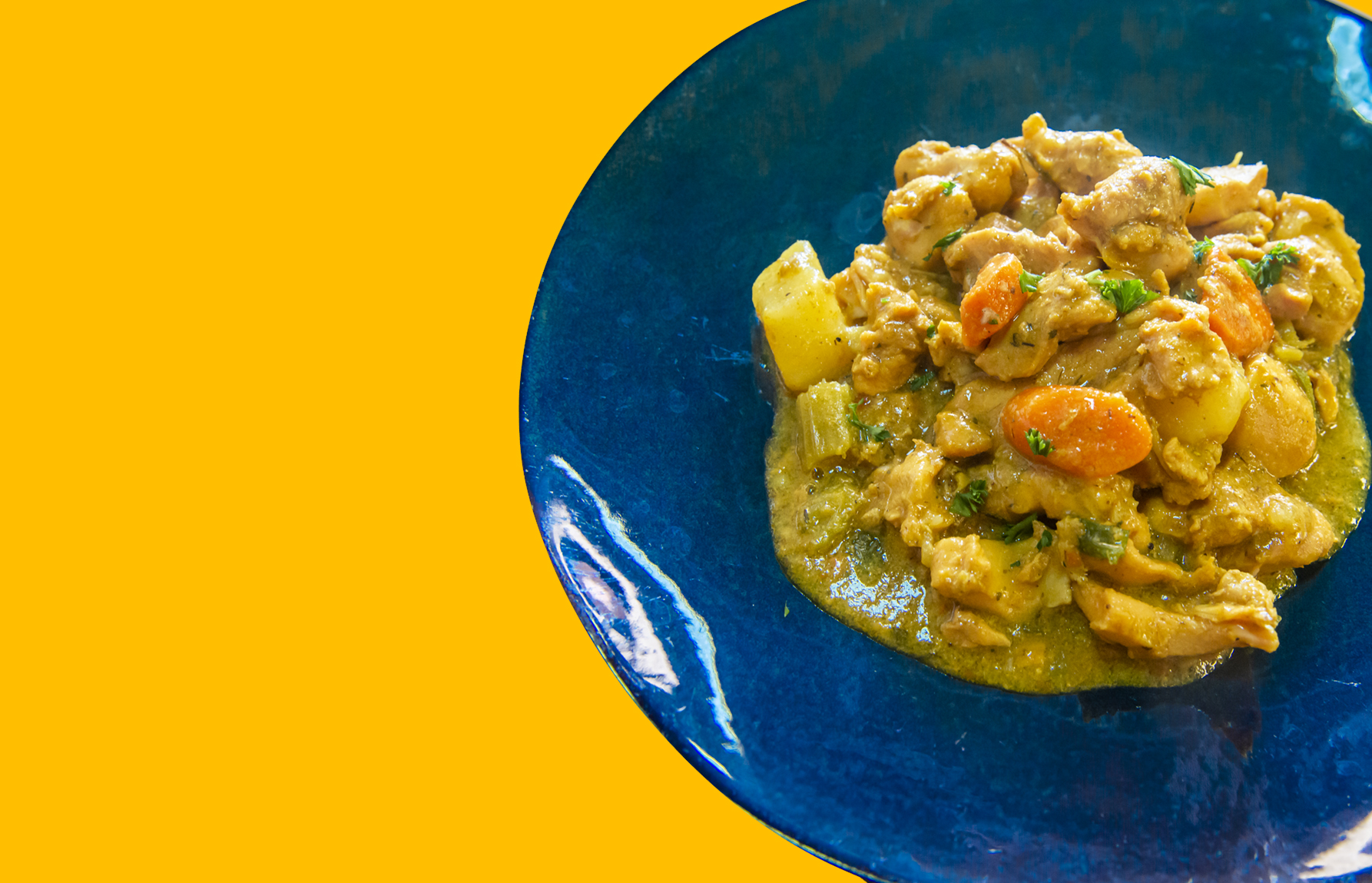
Finding truly memorable Jamaican food in Denver takes a little more intention than it does in cities with long-established Caribbean enclaves. That is not a knock on the food scene here. Denver eats well, and it eats broadly. But when the craving is specific, when you want deep jerk smoke, tender brown stew, proper oxtail gravy, or rice and peas that taste like they were treated as more than a side dish, you need to know what to look for.
That is the key to eating Jamaican food in Denver well. You are not just looking for a restaurant with reggae on the speakers and a few island references on the menu. You are looking for a kitchen that understands seasoning as a slow, layered thing. You want Scotch bonnet heat with purpose, not random burn. You want allspice, thyme, ginger, scallion, pimento, and smoke to register clearly. You want the kind of cooking that lands hearty and vibrant at the same time.
Denver can absolutely deliver that experience, but it does not always advertise itself loudly. The best Jamaican food in the metro area tends to live in small restaurants, family-run counters, hybrid Caribbean spots, and businesses that build loyal followings one plate at a time. Some are in Denver proper, some are better described as Denver metro destinations, and some of the strongest meals come from places that do not fit the polished big-city dining template at all.
What “real island flavor” actually means on the plate
Before getting into where to go, it helps to define the target. Jamaican cooking is one of those cuisines people often flatten into a few familiar words, usually jerk and patties, and then move on. In practice, the best versions have range and precision.
Jerk chicken should not taste like generic barbecue with extra pepper. A proper jerk profile carries warmth from allspice, fresh sharpness from thyme and scallion, heat from Scotch bonnet, and a dark, almost piney depth from char. The chicken should be seasoned through, not just coated on the outside. When the kitchen gets it right, you smell it before you taste it.
Oxtail is another strong tell. Good oxtail needs time. There is no shortcut around the collagen-rich tenderness that makes the meat slump off the bone and enrich the gravy. A serious kitchen gives you a sauce that is glossy and savory, with enough spice and sweetness to keep each bite lively. If the rice and peas underneath have absorbed some of that gravy, even better.
Then there are the dishes many casual diners overlook. Curry goat, when made well, offers a completely different kind of satisfaction from jerk. It should be earthy, aromatic, and robust, with spice supporting the meat rather than overwhelming it. Ackee and saltfish, the national dish of Jamaica, asks even more of the cook. It can be one of the clearest signs that a restaurant is cooking from memory and tradition rather than just assembling a “Caribbean-inspired” menu.
For anyone searching online for jamaican food denver, those are the benchmarks that matter more than décor, playlist, or trendiness.
The Denver reality: a smaller scene, but some very strong plates
Denver’s Jamaican food scene is not huge. That can be frustrating if you are used to New York, South Florida, Toronto, or parts of London, where Jamaican cooking is woven into everyday dining. Here, the scene is more scattered. You may need to drive farther than you would for tacos or pho. You may need to adjust your plan around limited hours, sellouts, or a kitchen that does its best work at lunch rather than late at night.
Still, there is an upside to that smaller footprint. Restaurants that survive in this niche often do so because they have real regulars. People return for specific dishes. They call ahead for oxtail. They know not to show up ten minutes before close expecting the full menu. They are loyal because the food has earned it.
That dynamic shapes how I would recommend Jamaican food in Denver. Start with the places that have built reputations on core Jamaican dishes. Then widen your search to the broader Caribbean and island-adjacent kitchens that show care, consistency, and seasoning discipline. If you only chase hype, you may miss the best meal.
Reggae Pot remains one of the clearest starting points
If someone asks for one place to begin exploring Jamaican food in the Denver area, Reggae Pot is usually near the top of the conversation for good reason. It has been one of the more recognizable names for diners looking specifically for Jamaican plates rather than a broad Caribbean menu with one or two Jamaican options folded in.
What matters most is not the name recognition. It is the menu logic. This is the kind of place where jerk chicken, curry goat, and oxtail are not afterthoughts. They are central. That matters because kitchens tend to reveal their priorities through repetition. When a restaurant makes these dishes day after day for guests who know what they should taste like, the results are usually more grounded and reliable.
The appeal of a place jamaican food denver like Reggae Pot is also practical. It gives Denver diners a direct line to the classics without asking them to decode a broader menu or guess where the kitchen’s strengths lie. If you are new to Jamaican food in Denver, that kind of clarity is useful. Order jerk chicken first if you want to test smoke, spice, and balance. Order oxtail if you care most about depth and texture. Add a patty if available and pay attention to the crust and filling. A lot can be learned from one tray.
That said, even a good first-stop restaurant should be approached with the right expectations. Jamaican cooking is not meant to be rushed. Some dishes naturally vary by batch. Spice levels can shift. The texture of fried plantains depends on timing. Rice and peas can range from merely competent to excellent. Those small fluctuations are not necessarily signs of inconsistency. Often they are signs that actual people are cooking food, not producing a standardized chain product.
Why the best meal might come from a modest storefront
One thing longtime Denver diners learn quickly is that some Click for info of the city’s most satisfying food comes from places that would never win an interior design award. Jamaican restaurants are no exception.
If you walk into a polished, modern space and the menu reads like a marketing team wrote it, proceed carefully. If you walk into a smaller room where the menu is straightforward, the portions are generous, and somebody in line is clearly there for their usual order, you may be closer to what you want.
That matters because Jamaican food often reveals itself through details that flashy restaurants neglect. Is the cabbage cooked with enough snap left in it to keep the plate from feeling heavy? Are the plantains caramelized rather than simply fried? Does the gravy taste like it belongs specifically to that dish, or could it have been ladled over anything? Is the chicken seasoned to the bone?
I have had plenty of meals where the room was plain, the service was brisk, and the plate was outstanding. I have also had the opposite experience, a gorgeous room and a jerk plate that tasted like timid grilled chicken with bottled sauce. When people search jamaican food denver, that distinction is worth making early. Atmosphere is nice. Technique is non-negotiable.
How to order if you want to judge a restaurant fairly
The smartest way to test a Jamaican kitchen is not to order the safest possible thing. Go straight to the dishes that require confidence.
Jerk chicken is the most obvious starting point because it exposes everything at once. Spice balance, marination, smoke, and moisture all show up immediately. A kitchen can hide behind sauce with other dishes. It cannot hide much with jerk. If the flavor sits only on the surface, or the heat tastes flat and generic, you know the restaurant is not operating at a high level.
Oxtail is the next move if you want to understand the kitchen’s patience. This dish costs more almost everywhere for a reason, and when it is done properly, you see why. The meat should be yielding, the gravy should carry richness without grease, and the seasoning should be deep enough to stay interesting across a large plate.
Curry goat tells you something slightly different. It shows whether the kitchen can build complexity without relying on smoke. Good curry goat has warmth and body. Great curry goat also has clarity. You can taste the spices individually while still reading the dish as a whole.
Rice and peas deserves attention too. A lot of diners treat it as filler, which is a mistake. Proper rice and peas has aroma, gentle coconut presence in many versions, and enough seasoning to stand on its own. Bland rice is often a warning sign, because it suggests the kitchen is investing all its effort in the protein and not the plate as a complete composition.
The side dishes separate solid from serious
One of the easiest ways to spot a restaurant that understands Jamaican food deeply is to pay attention to what arrives around the main item. Sides are not ornamental. They tell you whether the restaurant is cooking with care at every level.
Plantains should be sweet, soft in the center, and edged with caramelization. Too often they come out dry or under-ripe, which robs the plate of contrast. Cabbage should offer relief, brightness, and texture. It should not feel like an afterthought tossed on for color. Festival, if available, can be a joy when fresh, lightly sweet, and warm. A beef patty should be flaky without crumbling into dust, and the filling should carry enough spice and savor to stand up to the pastry.
These details matter because Jamaican food is built on balance. Heat meets sweetness. Richness meets acid and freshness. Smoke meets starch. When the sides are good, the whole plate eats better. When they are weak, even a strong main can feel incomplete.
Denver diners should think in metro terms, not just downtown
One reason people miss good Jamaican food in Denver is that they search too narrowly. If your idea of Denver dining begins and ends in the urban core, you may overlook some of the best options in the wider metro area. Caribbean and immigrant-owned restaurants often settle where rents are a bit more forgiving and where communities can build repeat local business.
That means the right meal may require a drive to Aurora, Lakewood, Centennial, or another nearby area rather than a quick stop in LoDo or RiNo. For some diners, that feels inconvenient. For anyone serious about food, it is just part of the equation.
I usually tell people to treat Jamaican food in Denver the same way they would treat great regional barbecue or a hidden Vietnamese spot. Do not ask whether it is five minutes from your hotel. Ask whether the kitchen cooks with conviction. A twenty-five minute drive for a strong oxtail plate is a perfectly rational trade.
There is another practical reason to widen the map. Smaller specialty restaurants can be vulnerable to staff changes, lease changes, and shifting schedules. A place that was outstanding eighteen months ago may have reduced hours now. Another may have quietly improved. Thinking in metro terms gives you more resilience as a diner.
The role of Caribbean crossover spots
Not every worthwhile island meal in Denver comes from a restaurant that identifies purely as Jamaican. Some broader Caribbean restaurants can produce excellent Jamaican staples, especially if there is a cook in the kitchen with direct familiarity and standards. That does not make them interchangeable with dedicated Jamaican restaurants, but it does expand your options.
The trade-off is focus. A mixed menu can be a blessing if the restaurant executes well across categories, but it can also dilute the very dishes you came for. If a restaurant serves food from multiple islands or blends Caribbean and American comfort fare, look for clues about what people are actually ordering. Are regulars clearly there for curry goat? Does the restaurant seem proud of its jerk? Are the sides handled with care? Those are better indicators than the menu description alone.
This is especially relevant in a city like Denver, where cuisines often adapt to local demand. Sometimes that adaptation is harmless. Sometimes it sands off the edges that make the dish worth seeking out. The goal is not rigidity for its own sake. It is flavor integrity.
What locals tend to value most
When Denver locals talk about strong Jamaican food, the praise usually centers on three things: seasoning, portion size, and the sense that the food tastes cooked rather than assembled. That last point may sound obvious, but it matters.
A lot of cuisines lose something when they are streamlined for speed. Jamaican food suffers badly under that kind of pressure. Brown stew and curry need time. Oxtail needs time. Jerk needs time. Rice needs attention. Even patties benefit from freshness and proper handling. So when a restaurant delivers plates that feel generous, aromatic, and complete, people notice.
Value also matters in a city where dining out keeps getting more expensive. Jamaican plates tend to be substantial, and that is part of the appeal. A good combo of protein, rice and peas, cabbage, and plantains should feel like a meal with weight to it. If you leave hungry after spending serious money, something has gone wrong.
Timing can make or break the experience
This is one of the least glamorous but most useful pieces of advice I can offer. If you are chasing the best Jamaican food in Denver, do not always go at the most chaotic hour and expect peak performance. Small kitchens have rhythms. Lunch can be excellent. Early dinner can be ideal. Late service, especially near close, is more variable.
Popular items also sell out. That is not a flaw. Often it is a sign that the restaurant is cooking in realistic quantities. Oxtail in particular can disappear. So can patties. If there is a dish you care about, call ahead or arrive earlier.
This is also one cuisine where takeout can work surprisingly well. Oxtail, curry goat, rice and peas, and cabbage travel better than many plated restaurant meals. Jerk chicken can hold up too, though the skin and char are always best as fresh as possible. If the dining room is cramped or the parking is annoying, do not let that stop you. Plenty of excellent Jamaican meals are best enjoyed at home with the container lids just cracked open and the whole kitchen filling with spice.
If you are new to Jamaican food, start here
For a first meal, keep it simple. Order one benchmark protein, one side you might normally overlook, and one item that tells you something about the kitchen’s range. A very sensible first order would be jerk chicken, rice and peas, cabbage, and either a beef patty or plantains. That gives you smoke, spice, starch, sweetness, and texture in one sitting.
If you already know you love richer braised dishes, go straight to oxtail. Yes, it usually costs more. It is often worth it. Just be aware that a restaurant can be very good at jerk and merely decent at oxtail, or the reverse. Jamaican cooking is not monolithic. Individual strengths matter.
For diners who want to explore beyond the familiar, ask whether ackee and saltfish is offered, especially on weekends or in limited runs. Not every Denver-area restaurant will have it. When you find it made well, it tends to be memorable.
The search is part of the reward
There are cities where you can get excellent Jamaican food on three consecutive blocks. Denver is not that city. What Denver offers instead is a smaller, more effortful hunt, one where the best meals tend to feel earned. For some diners, that is part of the pleasure.
The current landscape of jamaican food denver rewards a certain kind of eater, someone willing to look beyond flashy neighborhoods, forgive a modest dining room, and judge a restaurant by the depth of its gravy rather than the polish of its branding. If that sounds like you, Denver has worthwhile stops.
Start with the most established Jamaican names in the metro, especially Reggae Pot, and use that as your baseline. Then keep your eyes open for smaller Caribbean kitchens and changing local recommendations, because this category evolves. Restaurants shift, cooks move, menus tighten, and the most exciting plate in town is not always the one with the biggest online footprint.
When you find a place that gets the fundamentals right, properly seasoned jerk, soulful oxtail, balanced sides, and a plate that tastes like somebody cared from the first marinade to the final scoop of rice, hold onto it. In a city where Jamaican food is still somewhat under the radar, those restaurants deserve every return visit they can get.
Reggae Pot Jamaican Grill
Address: 2243 S Monaco St Pkwy #104, Denver, CO 80222
Phone number: +17204102956
FAQ About Jamaican Food Denver
What is typical Jamaican food?
Typical Jamaican food features bold, vibrant flavors created by blending African, Taino, European, and Asian influences.
What is a famous Jamaican dish?
Ackee and saltfish is Jamaica's national dish, made by sautéing the soft local ackee fruit with salted cod, onions, tomatoes, and spicy Scotch bonnet peppers.
What food is most popular in Jamaica?
The most popular and famous food in Jamaica is Jerk Chicken, celebrated worldwide for its smoky, spicy flavor.